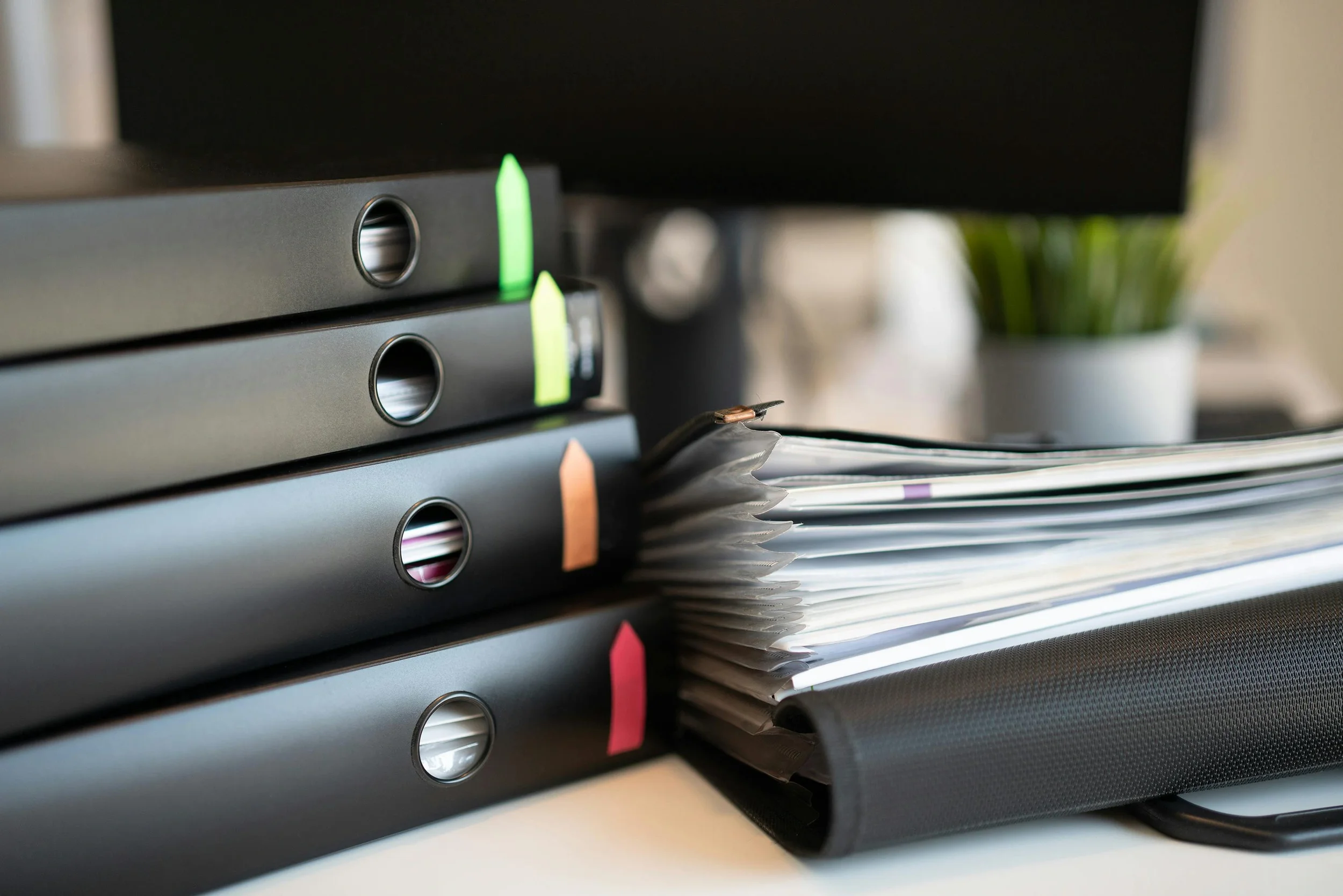
How Long Should Australian Businesses Keep Records Before Shredding Them?
For most Australian businesses, the safest starting point is this: don’t destroy records until the required retention period has ended.
For most Australian businesses, the safest starting point is this: don’t destroy records until the required retention period has ended.
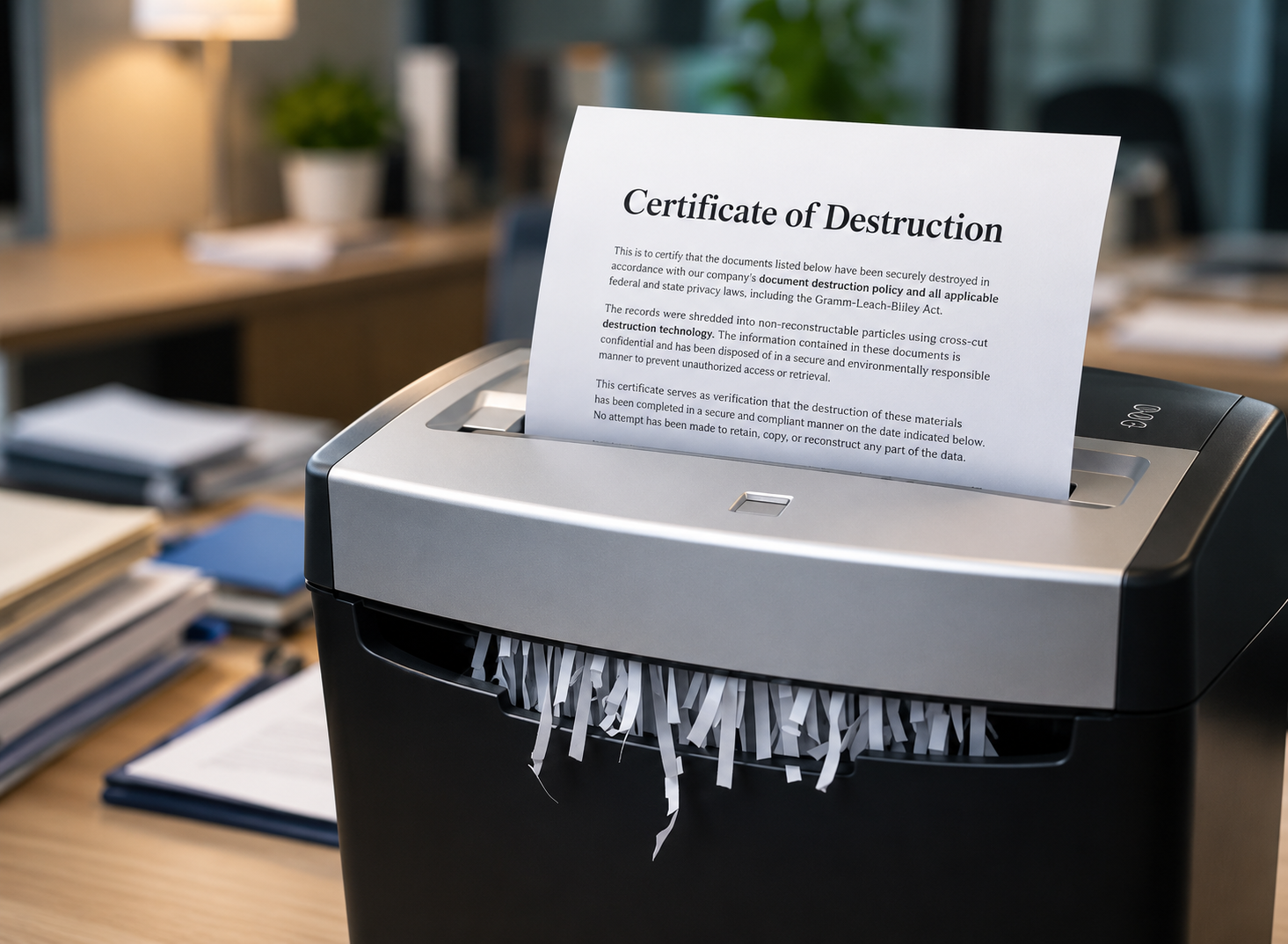
A Certificate of Destruction is one of the most important documents your business can hold after a shredding job. Yet many organisations misunderstand what it actually guarantees. Getting this wrong can leave you exposed during a compliance audit or a data breach inquiry under the Privacy Act 1988 (Cth). Here is a clear-eyed look at what the certificate confirms and, just as importantly, where its limits lie.
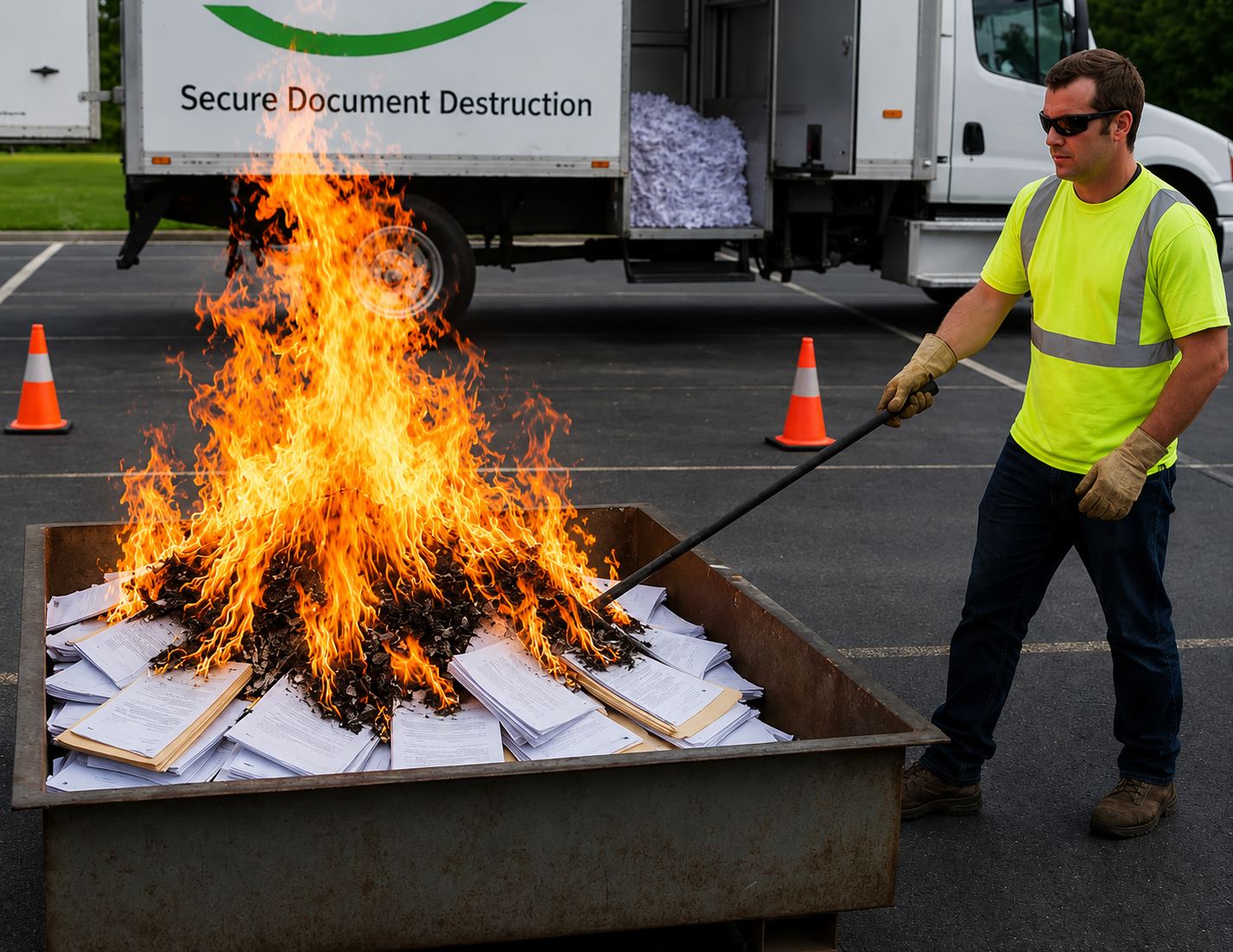
A quick burn can feel like the simplest way to clear out old paperwork. Yet for many households and small businesses, the safest approach is mobile document shredding services that destroy information on-site/off-site and leave far less to chance. Burning can create privacy gaps, safety hazards, and a mess of compliance headaches that only show up when it’s too late.
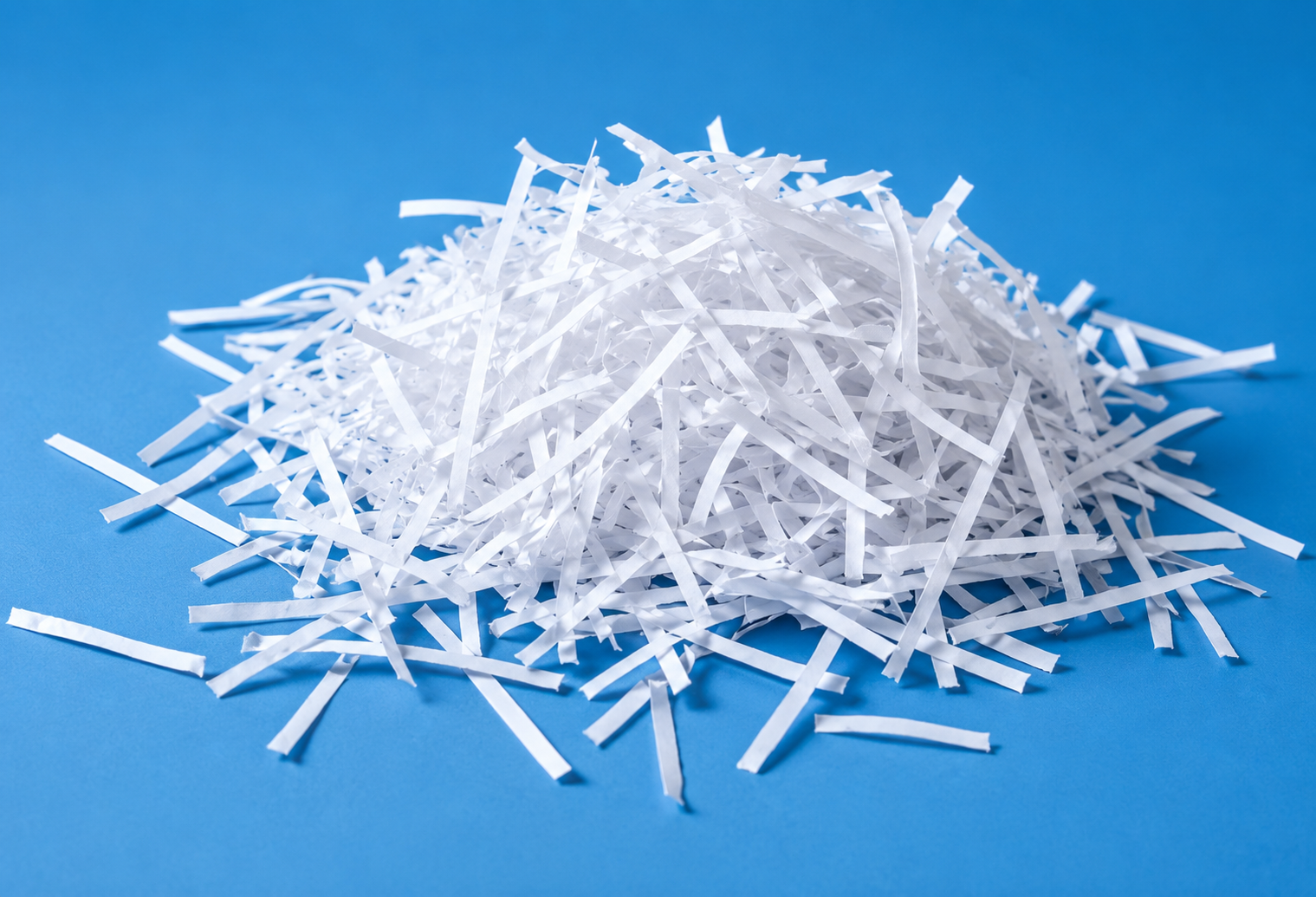
If you’re weighing up a new shredder (or a shredding contract), the micro-cut vs cross-cut shredder question can feel like a technical detail. In a legal or medical setting, it’s rarely “just admin”.
A single page can hold identifiers, case strategy, Medicare details, or notes that should never find daylight. The right cut type reduces the risk of reconstruction, limits who handles sensitive paper, and makes your disposal process easier to defend if you’re audited or queried.

A disposal receipt tells you one thing with confidence: someone collected your materials and you paid for the service. It does not, on its own, prove what happened next. That gap is getting harder to ignore as privacy expectations tighten and audits become more evidence-driven.
Most Australians now manage money, health, work and government services through a mix of apps and online portals. That convenience comes with a quiet risk: the personal details stored on devices don’t always leave when the device does.
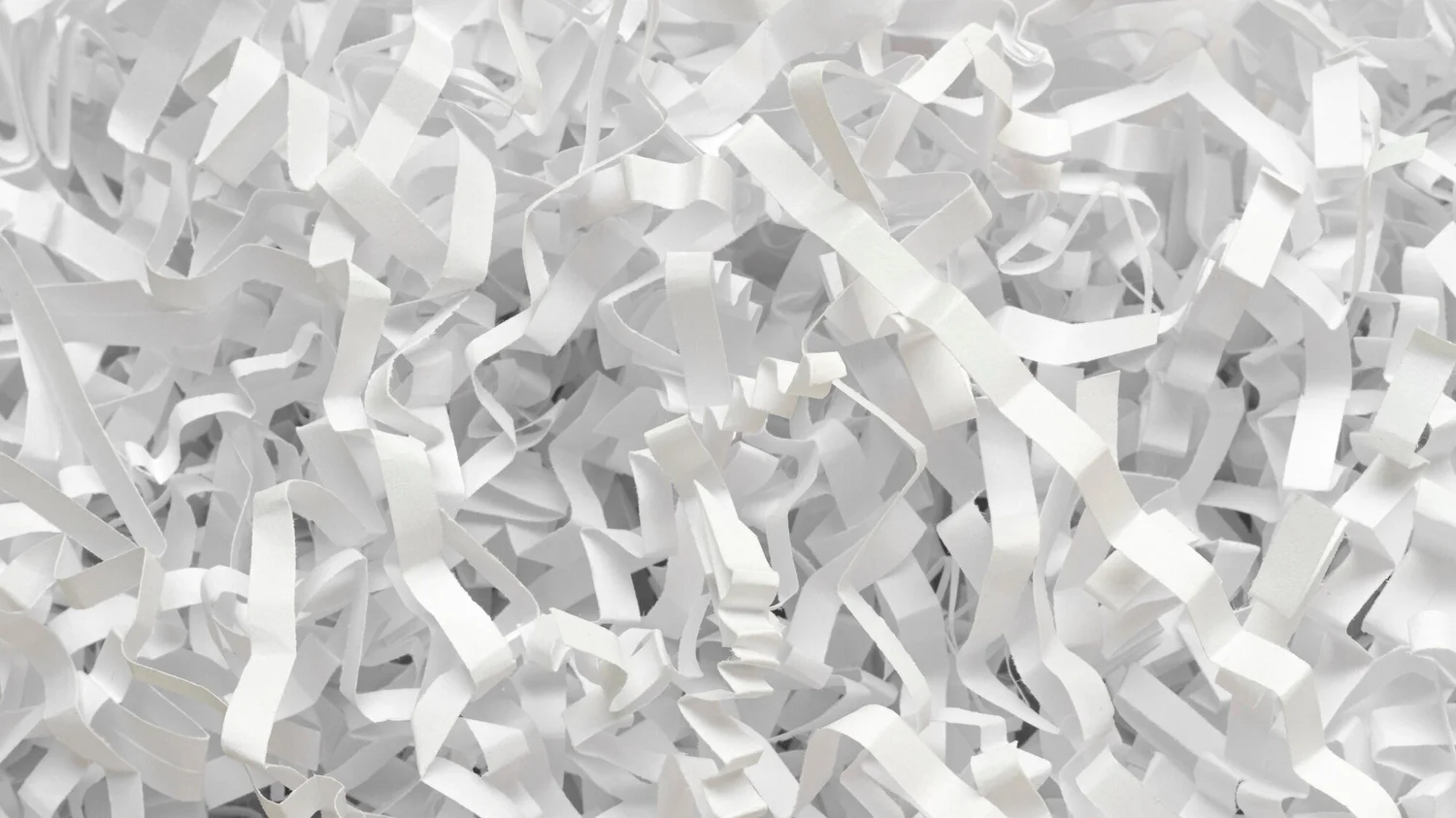
Australians are getting better at cyber hygiene, yet plenty of sensitive data still sits on paper: loan applications, medical referrals, tenancy files, staff records, board packs. Privacy obligations don’t stop at the server room. Australian Privacy Principle 11 expects organisations to take reasonable steps to protect personal information and to destroy or de-identify it when it’s no longer needed, unless a lawful retention reason applies.

Australians want private information destroyed without creating a trail of emissions or waste. That’s no longer a pipe dream. A mix of smarter equipment, cleaner fleets and tighter digital controls is reshaping paper shredding into a lower-impact, higher-assurance service that meets privacy duties and sustainability goals at the same time. For anyone weighing up a paper shredding service in Sydney, the shift is already visible in how providers design their sites, fleets and reporting.
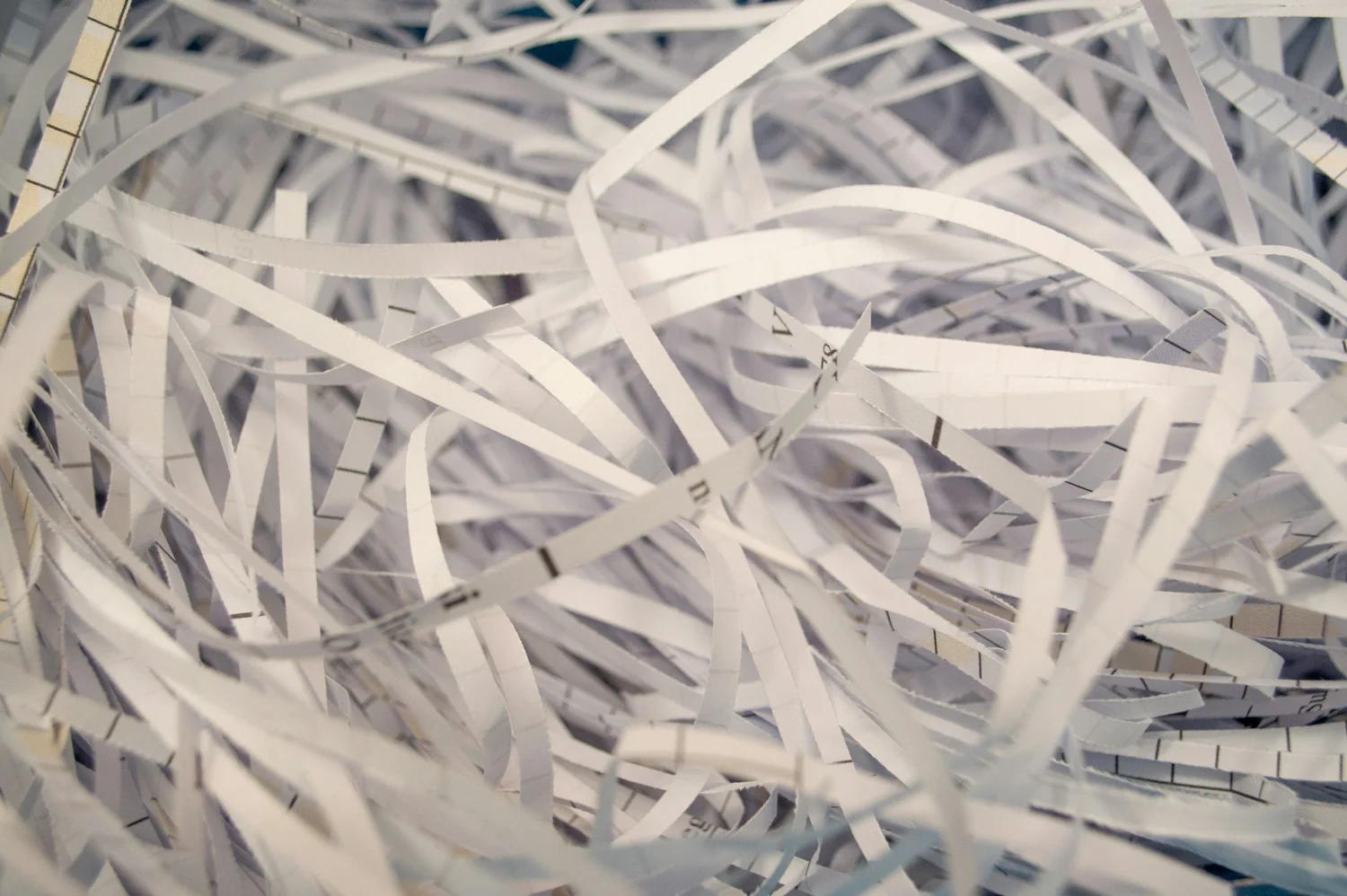
A Certificate of Destruction (CoD) is the paper trail that shows sensitive documents were collected, handled securely, and destroyed beyond recovery. In Australia, organisations must take reasonable steps to protect personal information and, when it’s no longer needed, destroy or de-identify it. A CoD helps demonstrate those steps were taken under Australian Privacy Principle 11.
Book online in minutes. Pick your date and
we'll take care of the rest in a single visit.

© 2026 HelloShred | Privacy Policy | Website Designed & Developed by 
"*" indicates required fields