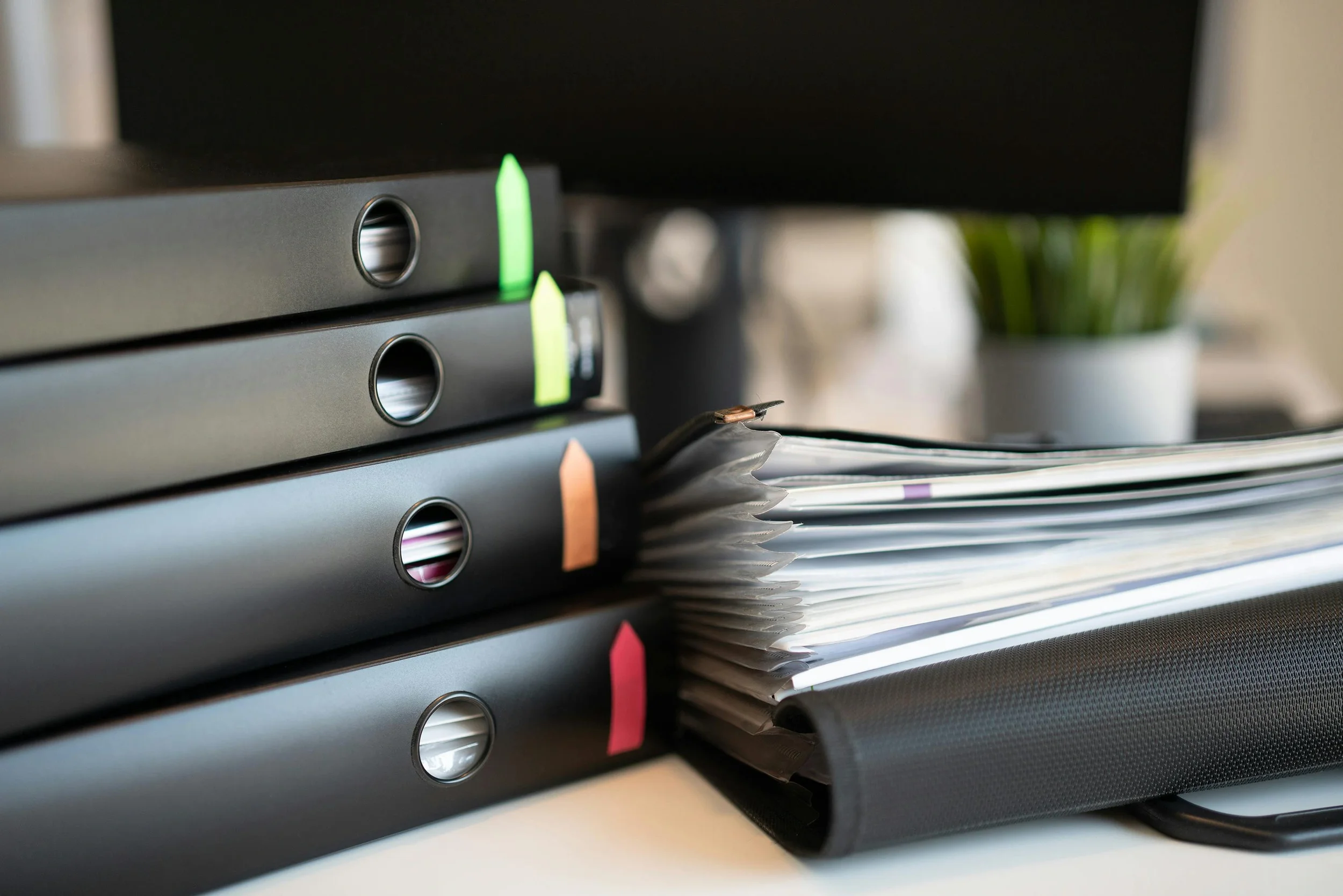
How Long Should Australian Businesses Keep Records Before Shredding Them?
For most Australian businesses, the safest starting point is this: don’t destroy records until the required retention period has ended.
Australians are getting better at cyber hygiene, yet plenty of sensitive data still sits on paper: loan applications, medical referrals, tenancy files, staff records, board packs. Privacy obligations don’t stop at the server room. Australian Privacy Principle 11 expects organisations to take reasonable steps to protect personal information and to destroy or de-identify it when it’s no longer needed, unless a lawful retention reason applies.
That makes shredding more than a tidy-up job. The real question is where the risk sits: how long documents remain readable, who can access them, and how well you can prove the destruction happened.
Off-site shredding moves destruction to a secure facility.
The safer option is the one that closes your biggest gap.
A practical way to decide is to map the “readable window”. Ask: from the moment a document is placed in a disposal console, how many opportunities exist for someone to access it, and how long does it stay intact? Shorter windows and fewer access points usually mean lower risk.
For organisations sourcing onsite document shredding, the same logic applies. Convenience is valuable, but documented controls are what stand up to scrutiny if a complaint or audit lands on your desk.
Also Read: What Happens to Your Documents After Shredding? A Simple Look at the Process
1. What is the safest way to dispose of documents?
Use a reputable shredding provider in Sydney that collects paper in locked consoles, keeps a handling trail, and issues a certificate of destruction. Prefer cross-cut or micro-cut for identity documents and client records. Ask whether the provider can state the paper security level used clearly.
2. What is the best practice for securely disposing of sensitive documents?
Set retention rules, restrict access to disposal consoles, and destroy promptly once the lawful purpose ends. This supports APP 11’s duty to destroy or de-identify personal information when it’s no longer needed.
3. Is on-site shredding always more secure than off-site shredding?
No. On-site reduces transport risk and allows witnessing; off-site can deliver tighter facility controls for big volumes. Safety rests on chain of custody, screened staff and clear documentation.
4. What proof should I keep after shredding?
Keep the certificate of destruction, dockets and reports showing dates, pickup details and sites. They help if you’re audited or need to prove disposal was controlled.
Ready to reduce paper risk without adding admin? Book a collection with HelloShred and request documented chain-of-custody and a certificate of destruction. Visit https://www.helloshred.com.au/
You’ll know exactly where your documents went, when they were destroyed, and what to keep on file.
For most Australian businesses, the safest starting point is this: don’t destroy records until the required retention period has ended.
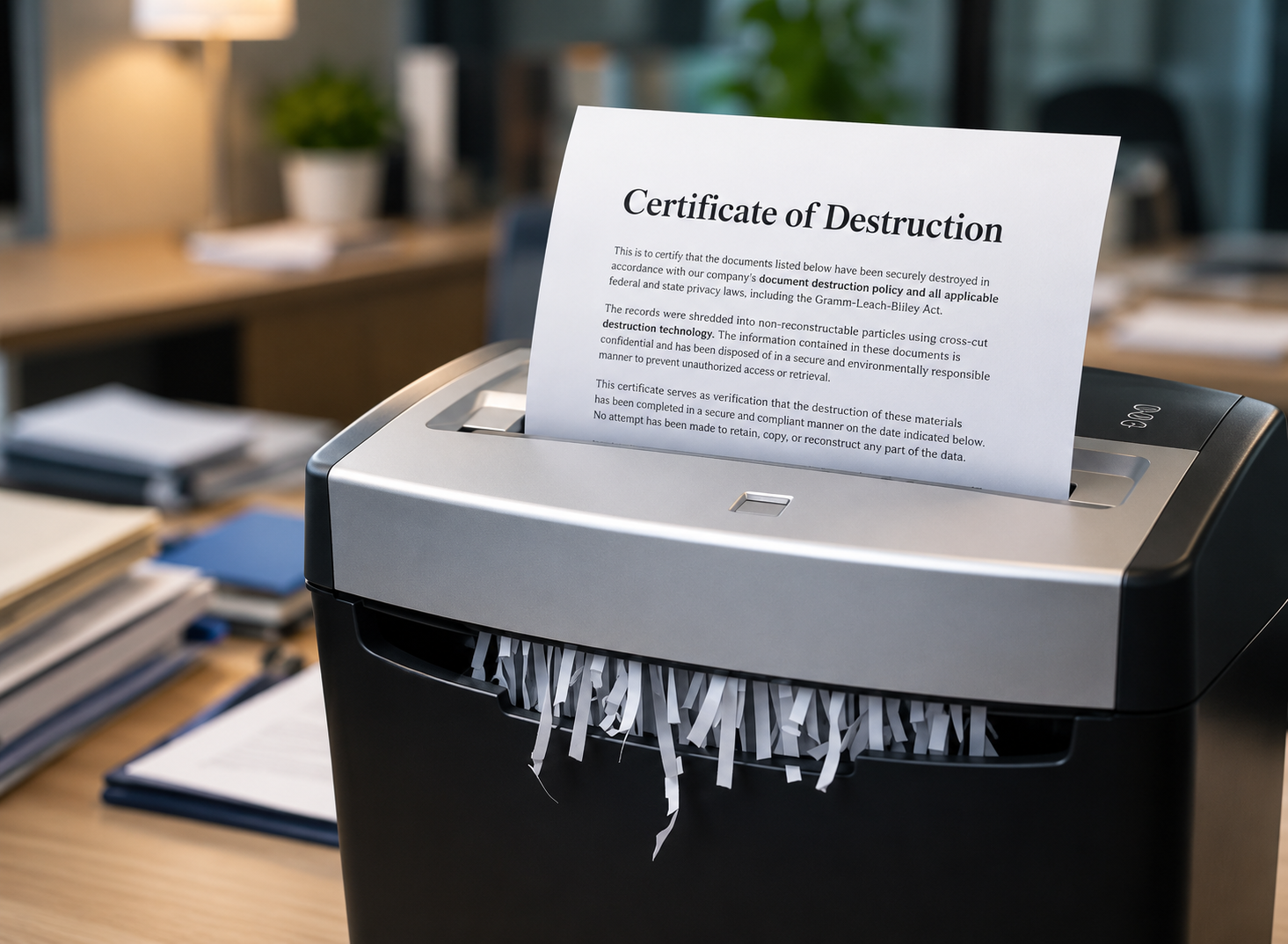
A Certificate of Destruction is one of the most important documents your business can hold after a shredding job. Yet many organisations misunderstand what it actually guarantees. Getting this wrong can leave you exposed during a compliance audit or a data breach inquiry under the Privacy Act 1988 (Cth). Here is a clear-eyed look at what the certificate confirms and, just as importantly, where its limits lie.
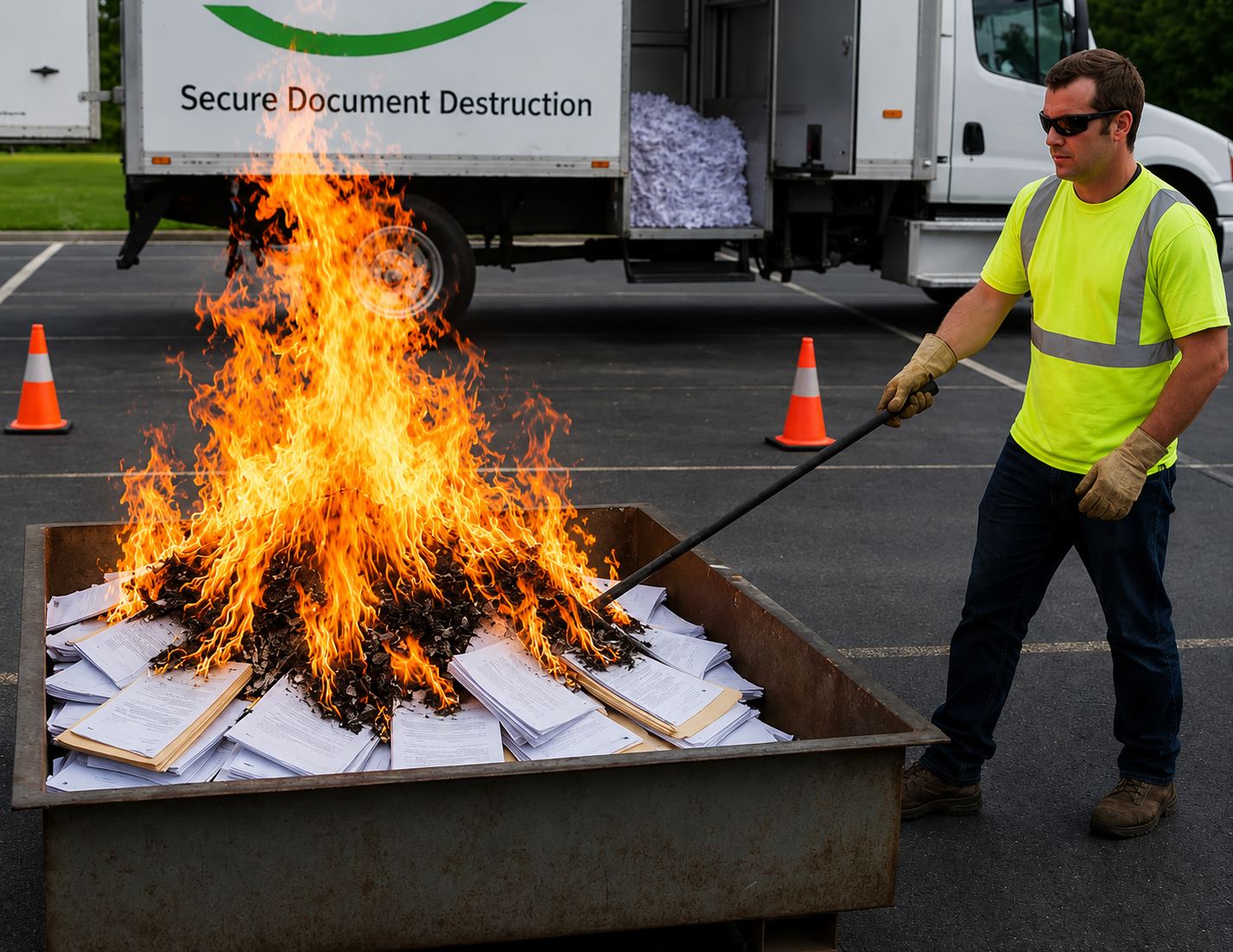
A quick burn can feel like the simplest way to clear out old paperwork. Yet for many households and small businesses, the safest approach is mobile document shredding services that destroy information on-site/off-site and leave far less to chance. Burning can create privacy gaps, safety hazards, and a mess of compliance headaches that only show up when it’s too late.
Book online in minutes. Pick your date and
we'll take care of the rest in a single visit.

© 2026 HelloShred | Privacy Policy | Website Designed & Developed by